
+
Years of Office Design Experience
Designing Workplace
That Work
— Together we create
We think beyond interior design and architecture. Customer satisfaction is our priority - from the first brief to the final walk-through, every decision is made with your people in mind.












Founded on 20 February 1999, Triangle IA has grown into a leading office design company in Bangkok, delivering corporate office interior design, workplace design in Bangkok, and modern office design in Thailand. With a team of experienced specialists, we design spaces that align with how people work, live, and interact—enhancing productivity and quality of life.
As a trusted office fit out contractor in Bangkok and an office renovation company in Bangkok, We offer seamless turnkey solutions, managing every stage from concept to completion with clarity, efficiency, and attention to detail. Our commitment to creativity, responsibility, and punctuality ensures thoughtful, distinctive spaces that deliver lasting value.
— OFFICE INTERIOR DESIGN & FIT OUT
Concept to completion
We manage every stage of your office interior design and build project with clarity, efficiency, and meticulous attention to detail—eliminating the need to coordinate with multiple vendors.
Develop efficient and functional layout plans
Create realistic 3D visualizations
Define materials and specifications aligned with the design concept
Stay updated with the latest insights on office interior design in Thailand, office fit out in Thailand, and turnkey office interior projects—covering workplace trends, design inspiration, and stories from our team in Bangkok.
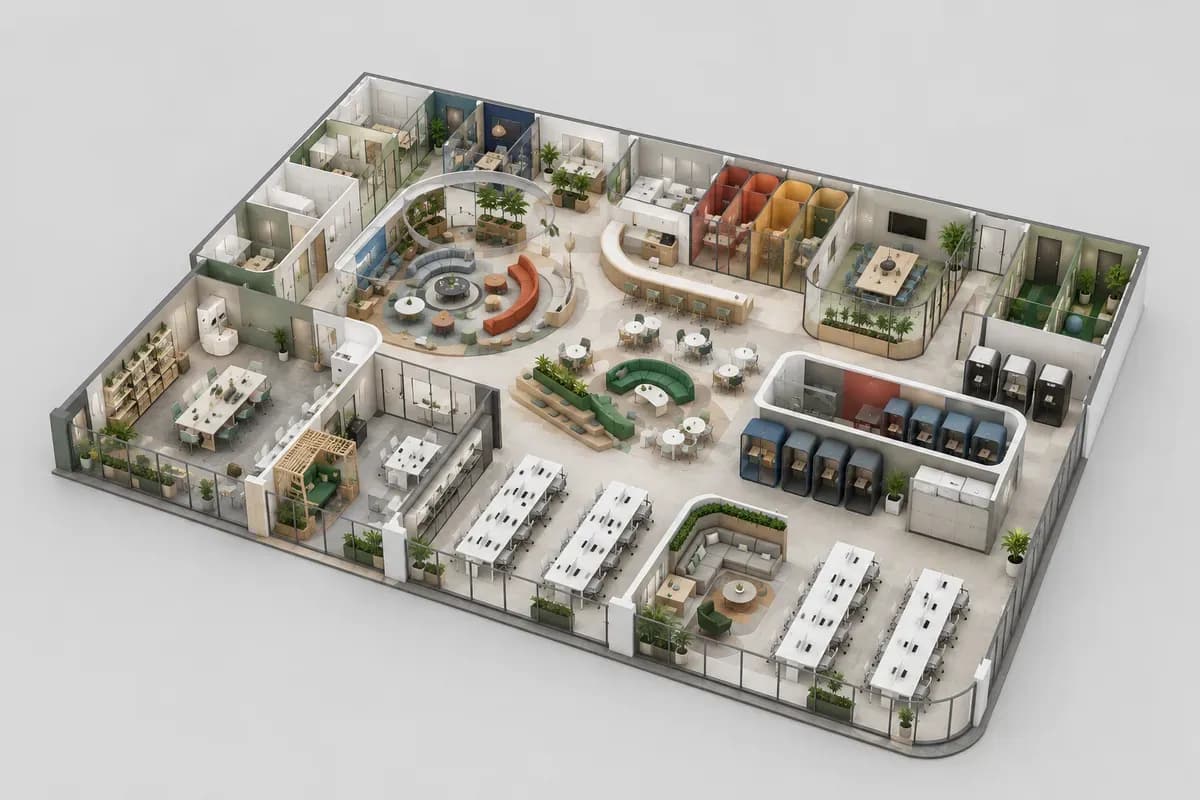
In the past, office design was often viewed primarily as creating an attractive workspace with all the necessary functions. Today, however, many organizations see the workplace as a strategic business asset rather than simply a physical environment. This is where Workplace Strategy plays an important role. It connects office design, the way employees actually work, and an organization's long-term business goals into a unified strategy. --- What Is Workplace Strategy? Workplace Strategy is a structured approach to planning and designing the workplace by considering factors such as: Employee work behaviors Organizational structure Business objectives Brand identity Instead of starting with the question: "How should we arrange the desks?" Workplace Strategy begins by asking: "How do we want our people to work?" "How should the workplace support that way of working?" The result is an office that is more than just a physical space—it becomes a strategic tool that enables productivity, collaboration, and business growth. --- Why Should Mid-Sized Organizations Start Today? Although Workplace Strategy was once primarily adopted by large enterprises, it has become increasingly relevant for mid-sized organizations as today's workplace continues to evolve. Several key factors are driving this shift: 1. More Diverse Ways of Working Work is no longer entirely desk-based. Modern organizations must support collaboration, hybrid work, and flexible work environments. 2. Attracting and Retaining Talent The quality of the workplace has become an important factor in attracting new employees and retaining existing talent. 3. Maximizing Long-Term Space Efficiency Planning the workplace strategically from the beginning helps reduce costly renovations and inefficient space utilization in the future. For growing mid-sized organizations, starting early makes it easier to build the right workplace foundation before expansion creates additional complexity. --- The Four Core Elements of Workplace Strategy An effective Workplace Strategy typically considers four key components together. 1. People Understanding how employees actually work. Individual focus work vs. collaborative work Communication patterns Real workplace usage and behaviors 2. Space Designing layouts and zoning that support daily activities. Primary work areas Meeting spaces Shared and social spaces 3. Technology Providing the infrastructure that enables modern work. Meeting technology IT and data infrastructure Hybrid work capabilities 4. Brand Reflecting the organization's identity through the workplace. Design language Materials and color palette Employee and visitor experience --- Applying Workplace Strategy in Office Design In practice, Workplace Strategy often influences design decisions such as: Transforming fixed layouts into flexible work environments Reducing underutilized areas while expanding collaboration spaces Designing multi-functional spaces that serve multiple purposes Creating workplaces that better express the company's brand identity Although these changes may appear relatively small from a physical design perspective, they can significantly improve how an organization operates. --- Insights from Real-World Projects Based on practical experience in workplace design and office development, one common observation is that many organizations initially focus on creating an office that simply looks impressive. However, a deeper analysis often reveals that the real challenges lie elsewhere, such as: Inefficient workflows Poor alignment between workspace and employee behaviors Office layouts that cannot support future growth By incorporating Workplace Strategy from the beginning, organizations can address these underlying issues rather than simply improving aesthetics. --- Workplace Strategy is more than an approach to office design—it is a planning framework that enables workplaces to support both current operations and future business growth. For mid-sized organizations, adopting Workplace Strategy today helps ensure that workplace investments deliver lasting value by improving team performance, supporting organizational growth, and strengthening the company's brand. Great office design begins with understanding how an organization works, not simply how the space should look. By combining strategic planning with thoughtful design and real operational needs, the workplace becomes an integral part of the organization's long-term business strategy.
Read more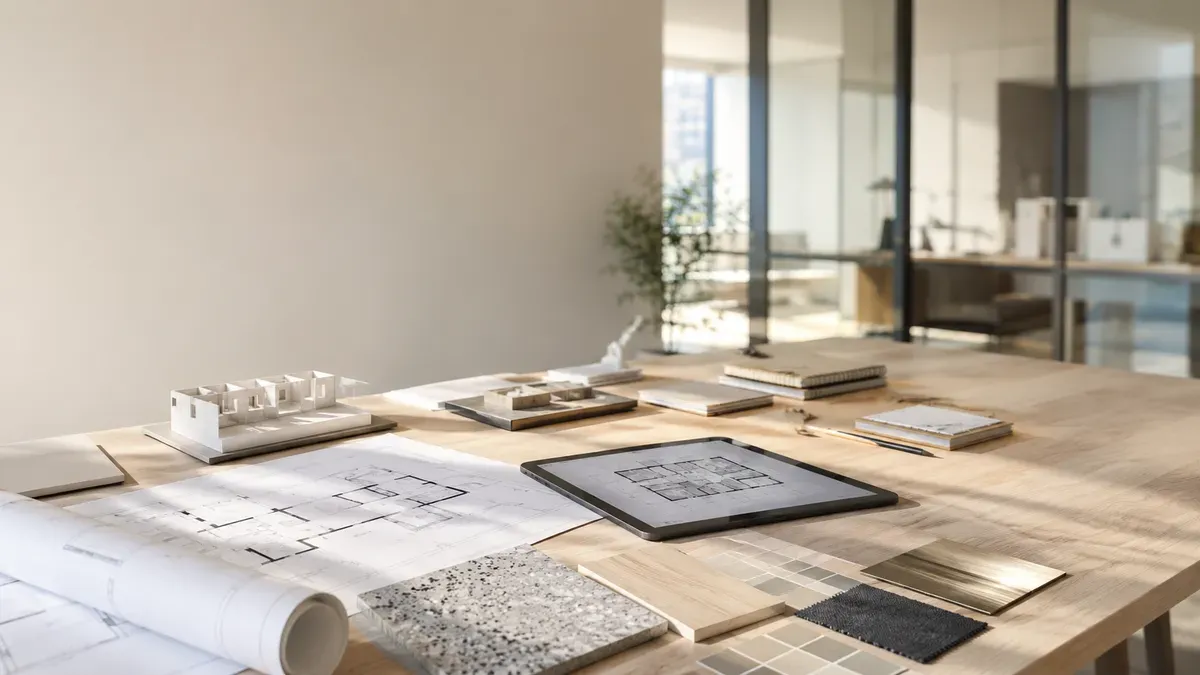
Today, office interior design is no longer just about aesthetics. It has become a strategic investment that enhances a company's brand image while improving employee productivity and overall business performance. For organizations looking for an experienced office interior design company or professional Office Fit Out services in Bangkok, developing a well-planned workplace strategy from the beginning helps maximize the return on investment by strengthening both brand perception and business performance. --- 1. First Impression: Reception & Arrival Experience For any office renovation or office fit-out project, the reception area is one of the most important spaces. It is the first point of contact where clients, partners, and visitors experience your organization. Key Elements A reception design that reflects the company's brand identity High-quality materials and finishes Well-designed lighting that creates a welcoming atmosphere A clean and consistent design from the entrance throughout the space Why It Matters First impressions significantly influence how people perceive an organization. A thoughtfully designed reception area immediately communicates professionalism, credibility, and attention to detail. --- 2. Workspace Quality: Employee Experience The quality of the workplace directly affects employee productivity, well-being, and job satisfaction. Key Considerations Ergonomic furniture for long-term comfort Proper lighting designed for daily work Effective acoustic solutions to reduce distractions An overall comfortable and healthy work environment Why It Matters Organizations that invest in employee experience often achieve higher productivity while attracting and retaining top talent more effectively. --- 3. Spatial Planning: Balancing Focus and Collaboration Successful office design begins with a workplace layout that supports how people actually work. Best Practices Separate zones for focused work and collaborative activities Meeting rooms of various sizes for different types of discussions Efficient circulation that allows smooth movement throughout the office Why It Matters Today's workplaces require both privacy and collaboration. Well-planned spatial layouts enable employees to transition seamlessly between focused individual work and teamwork. --- 4. Brand Integration in Design One of the defining characteristics of exceptional office interior design is the seamless integration of the company's brand into the physical environment. Key Elements Colors and materials that reflect the corporate identity Interior signage and environmental graphics Consistent design language across every area of the workplace Why It Matters A workplace that reinforces the company's brand creates a stronger identity, leaving a lasting impression on both employees and visitors while differentiating the organization from competitors. --- 5. Flexibility & Future Readiness Modern office design should be prepared for continuous change. Workplaces need to support future business growth and evolving work styles. Best Practices Adaptive layouts that can be reconfigured easily Flexible furniture systems that support multiple work modes Space planning that allows future expansion or functional changes Why It Matters Investing in flexibility reduces future renovation costs while enabling organizations to adapt quickly to changing business needs. --- Budget Perspective: Investing in Quality Rather Than Cost Alone When planning an office interior design or fit-out project, successful organizations often focus on the overall quality and long-term value of the workplace rather than simply comparing costs per square meter. In Thailand, office fit-out budgets can vary significantly depending on several factors, including: Material quality and construction standards Design complexity and level of detailing Workspace functionality and project requirements Organizations that prioritize corporate image and employee experience typically invest at a level that achieves the right balance between design, functionality, and brand perception. Ultimately, the most important question is not "How much does it cost?" but rather "What business value will this investment create?" --- Choosing the Right Design Partner: Beyond Price Another critical factor in any office design project is selecting a design team that understands both workplace design and business objectives. Organizations often evaluate potential partners based on: Proven experience in office interior design Expertise in workplace planning and workflow optimization Understanding of the company's brand and business goals Strong project management and coordination capabilities The best design partners do more than create attractive spaces. They provide strategic guidance that ensures the workplace supports operational efficiency, strengthens the company's brand image, and delivers long-term business value.
Read more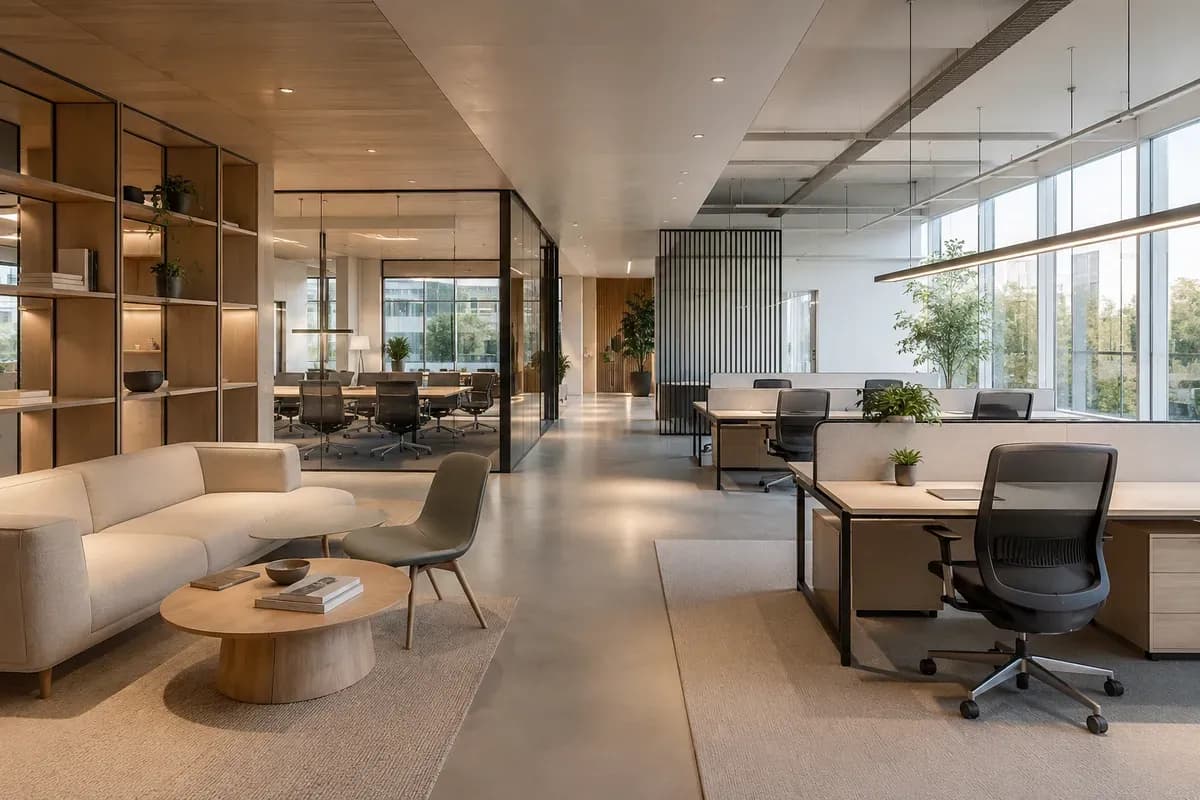
Strategic Office Design: Maximizing Business Impact Through Smarter Workspaces In today's business environment, an office is no longer just a place to work. It has become a strategic asset that reflects a company's brand image and influences team performance over the long term. More organizations are placing greater emphasis on Workplace Strategy, recognizing that a well-designed office can enhance productivity, improve employee experience, and strengthen credibility with clients and investors. For organizations occupying approximately 200–300 square meters, strategic space planning ensures that every square meter delivers greater value beyond its basic function. --- Challenges in Modern Office Design While many organizations invest significantly in office interiors, several common challenges often limit the effectiveness of the workspace: Spaces are divided into rigid functions with limited flexibility. Meeting rooms are often underutilized. Common areas fail to support a variety of activities. The office design does not reflect the company's brand identity. As a result, the workplace may struggle to accommodate future growth and fail to create meaningful business impact. --- 1. Design for Adaptability (Adaptive Workspace) Modern organizations require spaces that can adapt to different work styles and changing business needs. Practical Approaches: Use partition systems that allow spaces to be reconfigured easily. Design meeting areas that can accommodate both small and large gatherings. Plan common areas to support multiple functions and activities. Incorporate flexible furniture systems that can be moved, reconfigured, or stored efficiently to enable rapid space transformation. Benefits: Supports diverse working styles. Increases organizational agility. Reduces long-term space limitations. --- 2. Create a Performance-Driven Layout Effective office planning should begin with a clear understanding of organizational workflows rather than simply arranging furniture. Recommended Strategies: Utilize open-plan work areas to encourage communication and collaboration. Create dedicated zones for different activities, such as: Focus Work Collaboration Meetings Minimize low-value areas and allocate more space to activities that directly support productivity. Benefits: Improves operational efficiency. Reduces distractions while enhancing focus. Better supports teamwork and collaboration. --- 3. Treat Furniture as a Strategic Workplace Tool Furniture should be viewed as more than a decorative element. It plays a critical role in shaping the employee experience. Recommended Strategies: Invest in ergonomic furniture that supports long-term comfort and wellbeing. Combine modular and flexible furniture solutions to accommodate future changes. Benefits: Enhances comfort and productivity. Simplifies future workspace adjustments. Creates a higher-quality and more sustainable work environment. --- 4. Design to Reflect Brand Identity (Brand-Driven Design) An office is one of the most important brand touchpoints for employees, clients, and business partners. Key Design Elements: Reception area and first impressions. Materials and color palettes aligned with brand identity. Lighting that enhances atmosphere and user experience. Consistent design language throughout the entire workplace. Benefits: Builds trust and credibility. Enhances brand perception among clients and partners. Transforms the office into an extension of the brand experience. --- 5. Invest in Long-Term Value Office investments should be evaluated based on long-term returns rather than upfront costs alone. 1. Elements Employees Use Every Day These directly impact productivity and wellbeing. Ergonomic seating Effective lighting systems Productivity-focused layouts 2. Spaces That Represent the Brand These influence credibility and brand perception. Reception areas Executive meeting rooms Client-facing spaces 3. Flexible Spaces That Support Growth These reduce future renovation costs and accommodate organizational expansion. Adaptive layouts Flexible furniture systems 4. Infrastructure That Supports Workplace Performance These systems form the foundation of a high-quality workspace. Lighting systems Electrical and data infrastructure Acoustic solutions --- 6. A Turnkey Approach to Implementing Workplace Strategy A turnkey approach is more than simply combining design and construction services. It creates a seamless connection between workplace strategy and real-world execution. Advantages: Space planning is aligned with actual budgets from the beginning. Quality and details are managed consistently throughout the project. Reduces discrepancies between design intent and construction outcomes. Ensures workplace strategy is implemented effectively and efficiently. For more information, see: Turnkey Office Interior Solutions --- Office design today is no longer just about providing functional space. It is about creating a strategic workplace that supports productivity, strengthens brand identity, and enables future growth. For organizations seeking to elevate their workplace to international standards, early planning and collaboration with a team that understands both design and execution are essential. When approached strategically, office investments can deliver measurable business value and long-term organizational success.
Read moreFAQ
Answers to the most common questions about our office interior design services and project process.
— Social
See recent project updates, workplace design inspiration, and behind-the-scenes from Triangle IA on Facebook and Instagram.
Let's discuss
arrow_forward


